


4 Common Misconceptions in the Recruiting Process
Tennis player Linn Goerdes shares insights on the college recruiting process and the most common assumptions
Getting a sports scholarship in the United States starts with the recruitment process. This journey can take several months—or even years if you want to be fully prepared—as athletes build their profiles, connect with college coaches, and complete all the paperwork required to study and compete abroad.
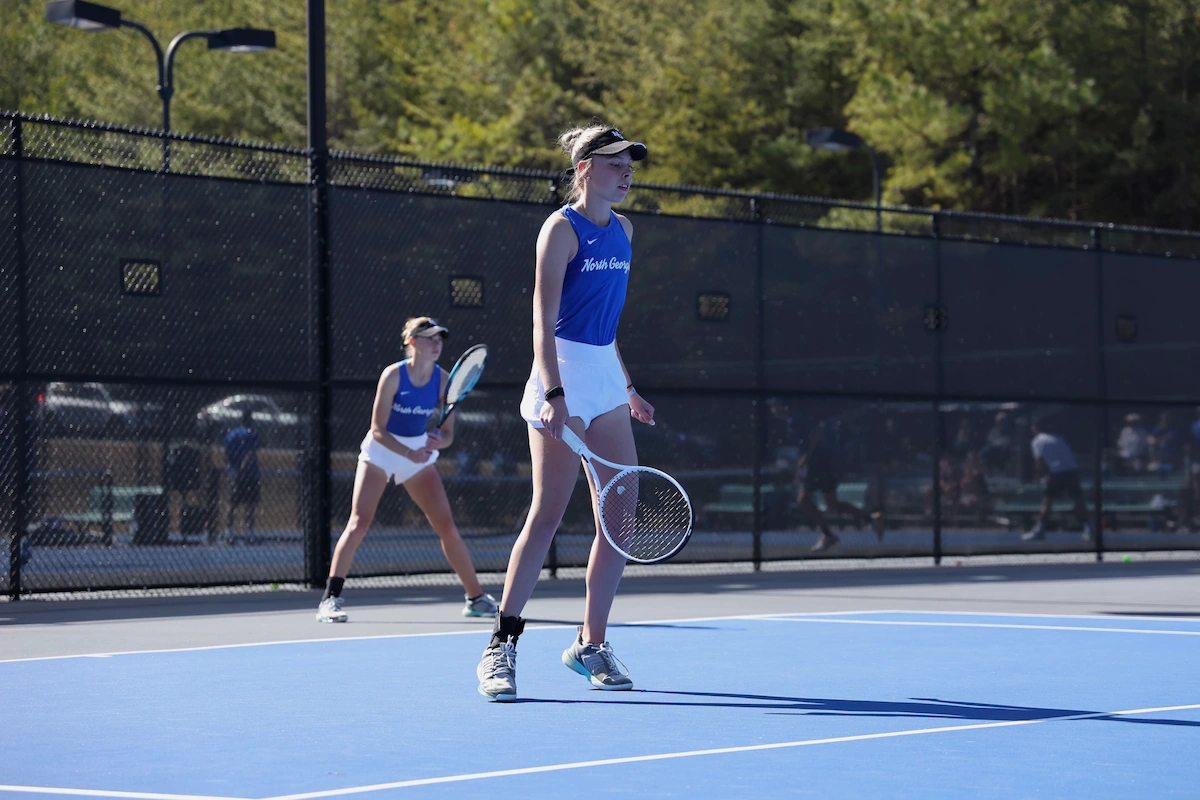
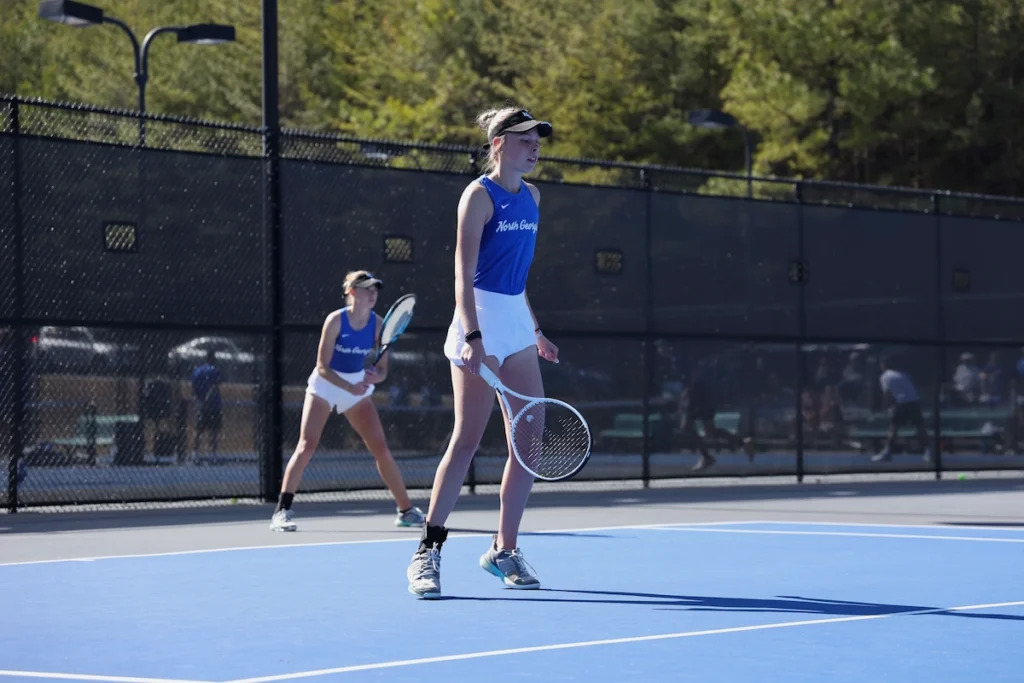
Many young athletes begin this process with certain misconceptions about how recruitment works. To shed some light on this, we spoke with Linn Goerdes, an accomplished tennis player at the University of North Georgia. Linn secured a tennis scholarship thanks to her success on the court, including national tournament wins in Germany and participation in international WTA events.
During the Keystone Sports College Tennis Showcase, we had the pleasure of speaking with Linn. She shared her experience with the college recruiting process and some common misconceptions that many young athletes have.
Common misconceptions:
- “It’s all about the Division” – Success isn’t only found at Division I schools.
- “The recruitment process is easy” – The process is more complex than just sending emails.
- “Talent is enough” – Academics, discipline, and attitude matter just as much.
- “No offers yet means I’m not good enough” – Timing and patience are key to securing opportunities.
1. “It’s All About the Division”
College sports are organized under three main athletic organizations: the NCAA, NAIA and NJCAA. Each has its own divisions, based on school size, funding, and level of competition. With over 1,000 NCAA member schools across all divisions, there’s a wide range of choices depending on your goals and priorities. Learn more about the differences between college sports divisions.
Some athletes believe that the only path to success is getting into a Division I university. Linn admitted she once thought the same, but when she started learning about college sports, she realized that focusing only on divisions is a misconception. It’s not just about the division, but about finding the right school for you.
“At first, I was pretty confident I’d go to a big Division I school; I thought it was easy. I always wanted to go to Harvard, and I thought I would be able to do it because I was academically good. Then I realized, it’s actually very hard to get into those Ivy League universities. The biggest surprise was to learn that there are so many universities that you could go to.
The difference between some D1 schools and D2 isn’t actually that big. My university is D2, and we’re ranked third in the nation. Some D1 schools I talked to weren’t even ranked, and I knew I wanted to compete in nationals. If you look at the rosters, you will see that there are D1 players with the same UTR as D2.
I think that a lot of people that I have talked to want to go D1 and there’s no other option, it doesn’t matter if the school is good or not. And I think that you should pay attention more to the ranking of the school, but also how you would feel in that school.”
2. “The Recruiting Process Is Easy; I Can Do It Myself”
Many athletes assume the recruiting process will be quick and easy, but without the right guidance, it can get challenging. The paperwork, applications, requirements, and eligibility rules can be confusing for families to navigate on their own. That’s why having proper guidance is so important—it helps ensure you end up at the right university and stay eligible to play.
“I honestly thought the process would be much easier. I imagined you just reach out to coaches, send some emails, and they either like you or not. I really thought I could do it all myself.
What surprised me the most was the paperwork—things like applying for the visa and translating transcripts. I didn’t expect it to be that hard, and honestly, without Keystone Sports’ help I don’t think I could have managed it.
At my international high school, I even had problems with credit hours and the translations. I wouldn’t have known where to go or how to do it on my own, so I was really glad I had support.”
3. “Recruiting Is Just About Talent”
Another misconception Linn shared is that recruiting is just about your performance in your sport. While tennis results are important, coaches pay attention to grades and discipline.
Without meeting certain grade requirements, you might not even be able to access some universities or divisions. Did you know? To be eligible for NCAA Division I, student-athletes must maintain at least a 2.3 GPA. For Division II, the minimum GPA requirement is 2.2. These academic standards are just as crucial as your athletic results when it comes to recruitment.
“Academics were actually really important, especially because I wanted to study pre-med. I didn’t have to take the SAT, but I had to do the Accuplacer, which is kind of a replacement test. You need a certain score to get into your major or even be accepted to the school.
That was tough for me—even though I had a 4.0 GPA and already earned a scholarship for that. For example, my math score wasn’t that good, so I had to take a basic math class my freshman year.
Coaches pay attention to academics; they want to see how disciplined you are in school. Also, the NCAA has regulations, and you have to keep a minimum GPA. At my school, my coaches really emphasized keeping good grades and going to class. I remember one teammate who didn’t turn in an assignment and had to run ten miles as punishment instead of practicing. So yeah, academics are definitely a component for coaches.”
4. "No Offers Yet Means I’m Not Good Enough”
Linn highlights how important timing is when you are getting recruited. Keystone Sports experts will guide you through the process, so you know what to expect in each step. Her advice to younger players? Don’t panic, trust the process, and remember: there will always be offers.
“The part where you don’t get offers in the beginning was really hard for me. I mean, I dedicated my whole life to tennis, and it took a while until I got offers. So, I was worried, like, I dedicated my whole life to this sport and now I’m not even getting any offers? Why don’t they like my video? Is my ranking too bad? So, I started questioning myself.
But once I talked to my Keystone Sports agent, he told me, it’s okay. He reassured me that I was very early in the process. He said some players commit just one month before, and I was still a year ahead. So, I started to take it a bit slower and with more patience.
And then suddenly, from one day to the next, I got all the offers. My agent really made sure I knew I wasn’t too late or too early—it just takes patience.”
Want to Get a Sports Scholarship in the US?
Linn’s experience shows that getting recruited is more than just talent—it takes the right guidance, planning, and patience.
Keystone Sports provides expert guidance through every step of the recruitment process, from understanding divisions to managing paperwork and finding the right university. Having guided over 15,000 student-athletes, we’ve become Europe’s leading college sports recruiting agency.
With the right support, your dream of playing college sports in the US is within reach. Complete our free evaluation form and our experts will contact you.
Share this article:
About the author
Lorena Montañés
Lorena Montañés, SEO Specialist at Keystone Sports, pursued her career in the U.S., playing DI soccer at California State University, Fresno. There, she earned degrees in Mass Communication & Journalism and Psychology. She later completed an MBA in Business Analytics while coaching at a Division II university. Now, she aims to empower other student-athletes to achieve their dreams and have a life-changing experience.
More related articles

What are College Esports Scholarships, and How Can You Secure One?
Esports has skyrocketed in popularity and has evolved into a competitive sport. The exciting news? U.S. universities are now offering scholarships for esports players! In this article, you’ll get all the details on how to secure a college esports scholarship.
How to Get a Rugby Scholarship in the US
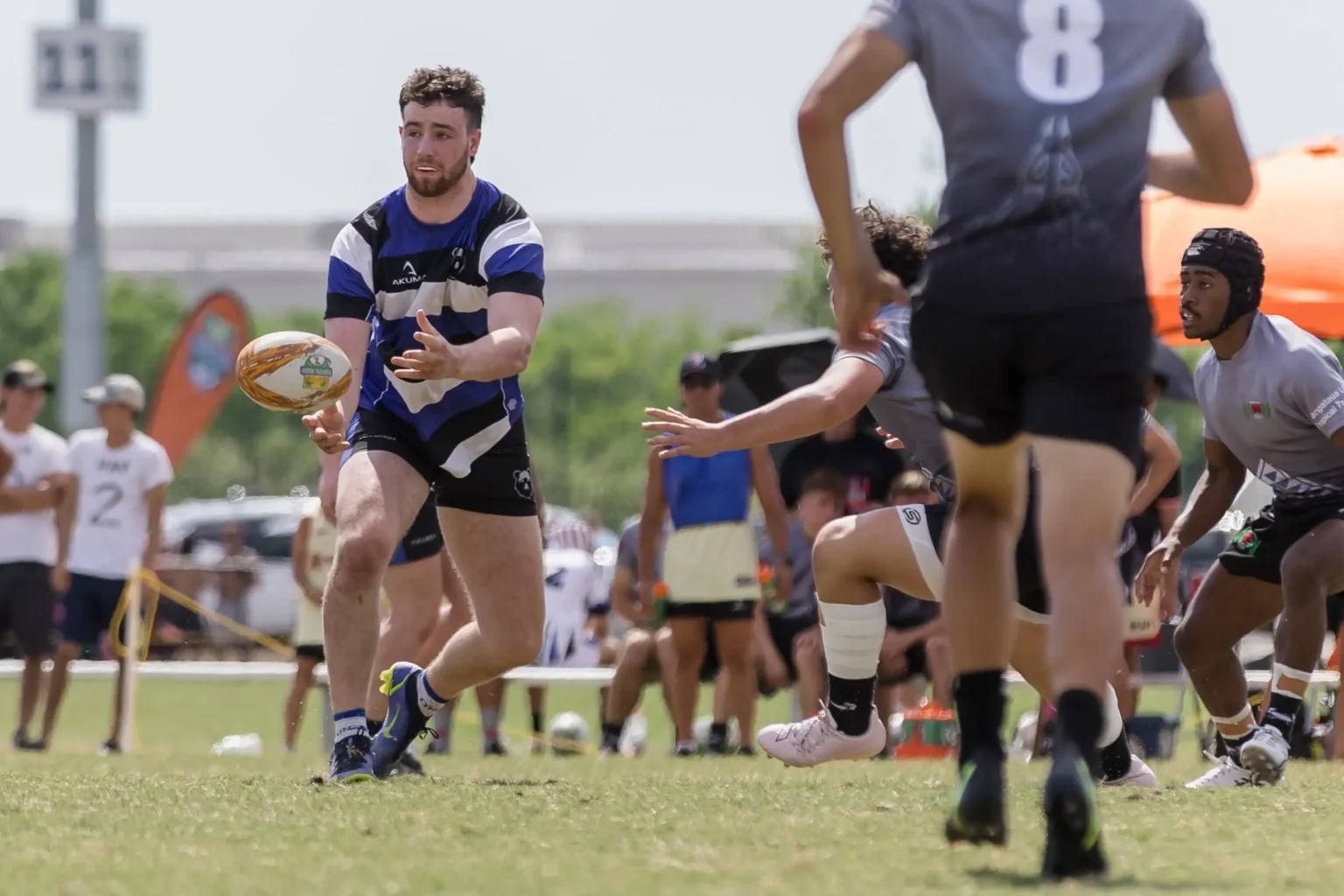
With the growing popularity of rugby in American universities, more opportunities are becoming available for international students to obtain rugby scholarships. Here’s everything you need to know about scholarships for rugby and how to get one!
Your Guide to Transfer Universities as a Student-Athlete
Transferring universities as a student-athlete can be a complex process, but with the right support, it’s an opportunity to elevate both your academic and athletic career. Keystone Sports simplifies every step of the process to find your perfect fit!