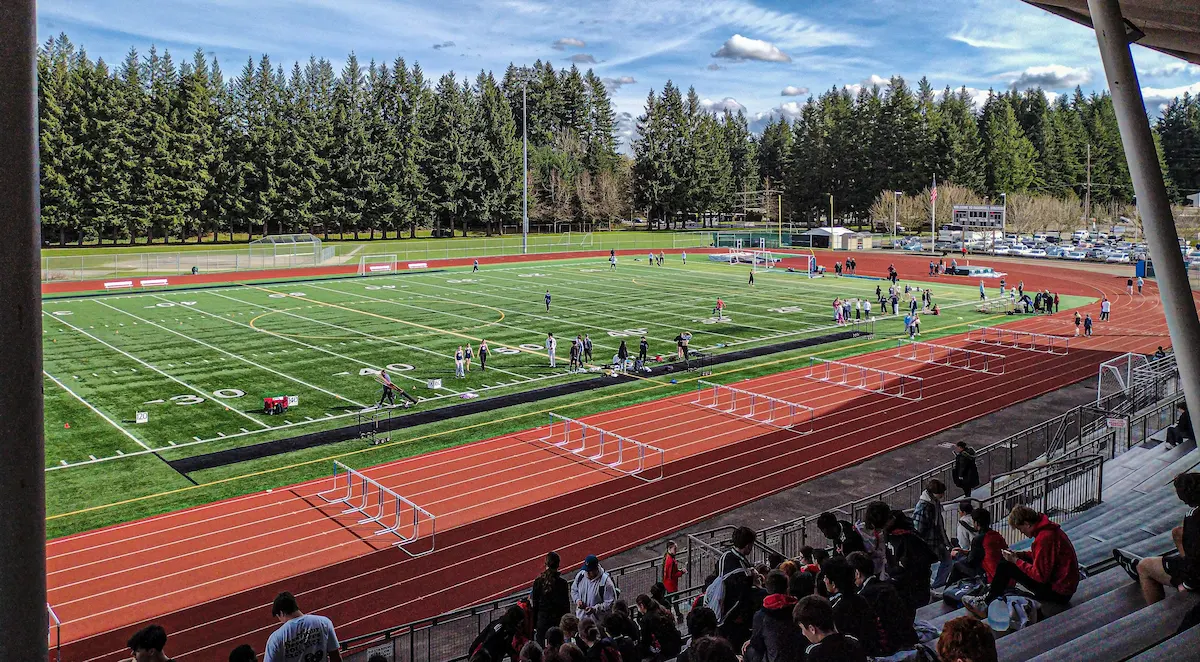

US college track and field stadium

US College Track and Field VS Track and Field in Europe

Our student-athlete shares what college track and field in the U.S. is really like

If you’re a European track and field athlete considering the U.S., prepare for a complete shift in how you think about the sport. Our track and field athlete, Thea Dahl, tells us more about it.  

Thea is a Norwegian track and field athlete competing at Manhattan College in New York City. Before earning a track and field scholarship in the U.S., she competed at national championships in both Norway and Australia. Her experience at the international level helped prepare her for college athletics in the United States. 

In this article, Thea shares her experience and explains the key differences between college track and field in the U.S. and track and field in Europe. 

Track & Field as a Team Sport

The biggest difference between track and field in the U.S. and track and field in Europe is how it becomes a team sport.  

In Europe, track and field is mainly an individual sport. You train for yourself and compete for your own results.  

In the US, you still compete as an individual, but your results also matter for your team and your university. At every meet, your performance earns points for your school, which count toward conference and national rankings. So, your individual result becomes part of a collective effort. Of course, you want to perform well for yourself, but you also want to excel so your university can beat other schools.  

Your teammates care about your events, even if they compete in completely different disciplines. Everyone pays attention because everyone’s results contribute to the team’s success. That’s what gives U.S. track and field its team-focused structure. 

How much attention athletes pay to team points depends on the person and the competition. Personally, I focus on improving my own performance, and if I score points for my university, that’s a great bonus. 

The team system can have a downside. Some athletes feel extra pressure or set higher expectations for themselves because they’re competing for more than just personal results. 

But that said, when you hit a personal best, win a medal, or perform well, the feeling is different. You’re proud of your improvement, but you’re also proud to have contributed to your team. Your teammates celebrate with you, your success is recognized, and you truly feel part of something bigger than yourself.  

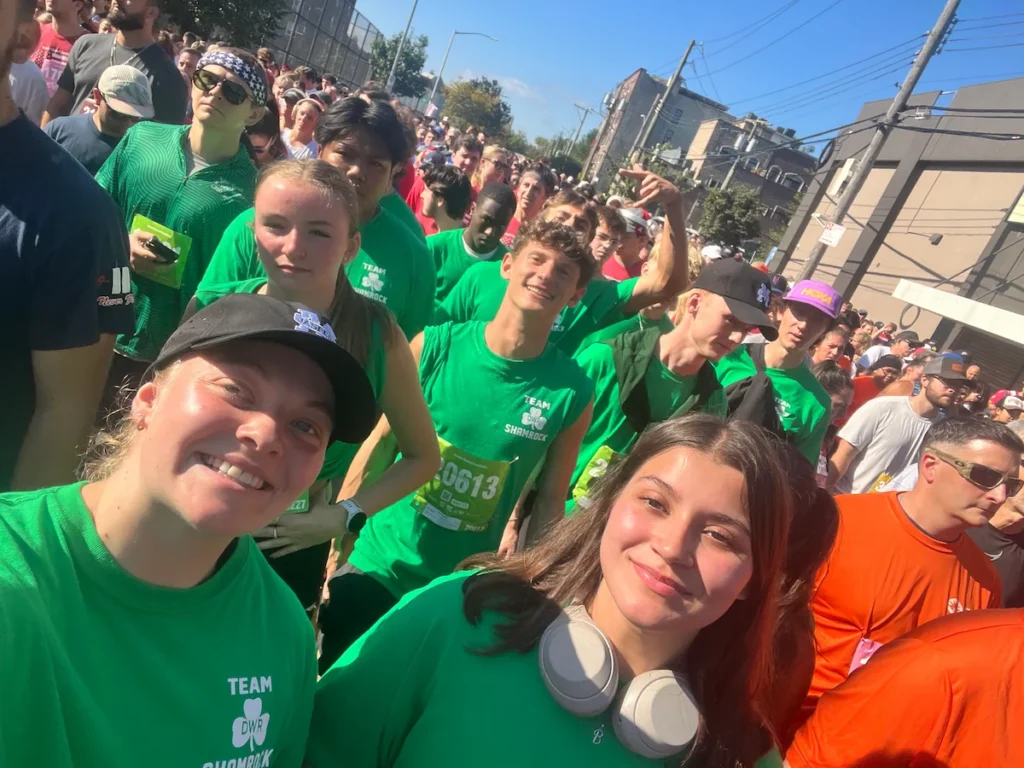
Thea Dahl selfie with her teammates

Easy to Build Friendships

Even though the schedule can be demanding at times, you always have fun and get the chance to meet many different people on the team, including athletes from other event groups. The team atmosphere is very close, almost like a family. 

Because everyone is so connected, it’s also easier for athletes who compete in multiple events, such as sprinting and long jump, to train both and make friends. The coaches communicate and work together, which helps keep things organized and makes life easier for the athletes. 

Becoming a Captain in My Track & Field Team

Having a captain was a new experience for me, as I usually associate captains with other sports. In many track and field programs, each event group has its own captain, and sometimes there is also one captain for the entire team. 

A team captain has many responsibilities. They are leaders, but also someone teammates can turn to for support. Captains are there if you need to talk and don’t feel comfortable going directly to a coach. They also help keep everything organized, making sure training runs smoothly and that everyone is doing what they’re supposed to do. 

Coaching Style and Approach

In the U.S., the coaching style is quite different from what I was used to in Europe.  

One of the biggest differences is how you address your coaches. Back home, it’s common to call coaches by their first name or a nickname. In the U.S., however, the title “coach” carries a lot of respect, and most coaches expect to be addressed as “Coach” followed by their last name or first name. 

This can vary depending on the coach and their background. Some coaches, like mine, are more relaxed about how you address them. Still, it’s important to say “Coach” when speaking to other coaches on the team, especially the head coach. It’s a difference you get used to quickly. 

When it comes to coaching style, it can vary a lot depending on a coach’s background and experience. I wouldn’t say it’s drastically different from back home, but I have noticed that coaches really focus on maintaining the strong team dynamic I mentioned earlier. 

Just like at home, coaches care about more than just performance. They want to make sure you’re doing well academically, mentally, and in training. 

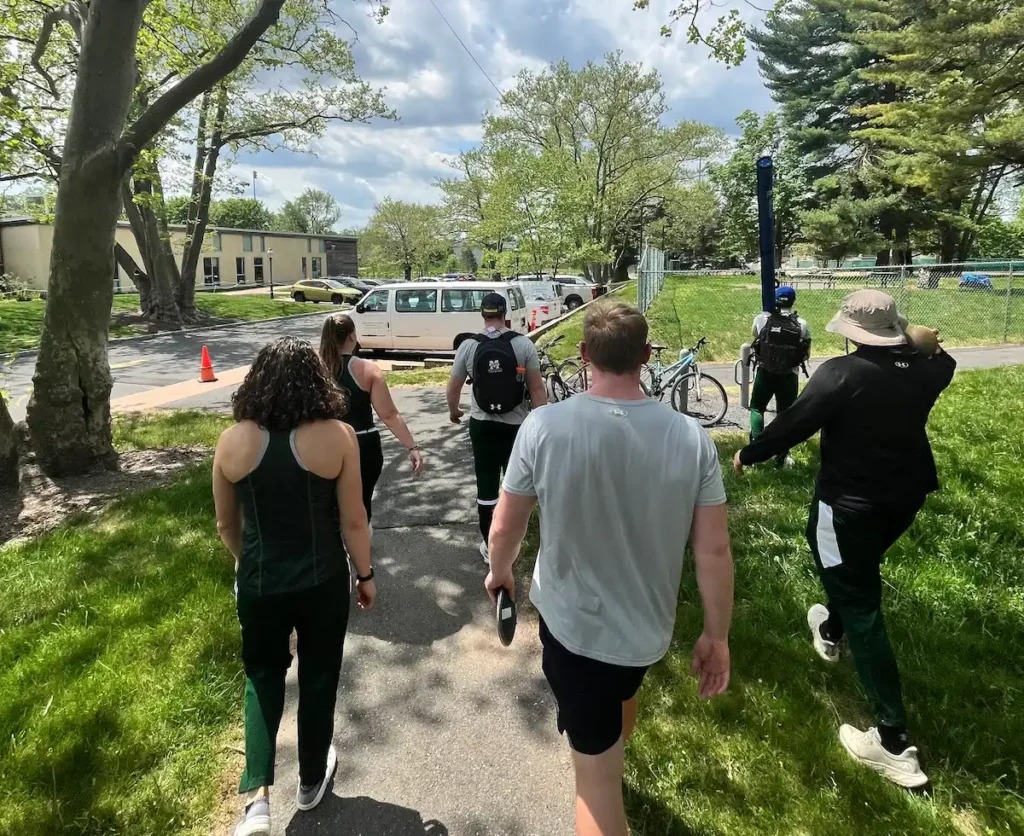
Manhattan College track and field team heading to compete

Competition and Meets

Track and field meets in the U.S. are organized a bit differently than in Europe. Back home, there are meets across the country that you sign up for and compete in individually. 

In the U.S., the system is more structured. Sports are divided into divisions, and within each division, teams compete in conferences. Each conference includes a set group of universities that regularly compete against each other. While the schools can change slightly from meet to meet, you usually compete against many of the same teams throughout the season. In that way, it’s similar to home, since you often see the same competitors. 

The size and competitive level of conferences can vary, even within the same division. Schools can also send athletes to meets outside their conference, either because the coaches have connections with other universities or because certain athletes are strong enough to compete at a higher level. 

Do You Want to Get a Track & Field Scholarship in the US?

If you want to experience track and field in the US, Keystone Sports is here to guide you. As the leading agency for student-athlete placements, we’ve helped thousands of athletes earn sports scholarships at U.S. universities. Our team supports you through every step: from creating your profile and contacting coaches, to scholarship negotiations and preparing for your move to the US. 

Ready to find out about your chances? Complete our free evaluation and take the first step toward your college track and field journey. 

Share this article:

WhatsApp
Facebook
LinkedIn
Email
More related articles
rugby player
College Sports

How to Get a Rugby Scholarship in the US

With the growing popularity of rugby in American universities, more opportunities are becoming available for international students to obtain rugby scholarships. Here’s everything you need to know about scholarships for rugby and how to get one!

Read More

College Soccer Showcase Tour

Europa | Desember 2025

Whether you’re a man or a woman, born from 2006 to 2009, don’t miss your chance to participate in the 2025 College Soccer Showcase!

Join the largest European college soccer showcase tour, and enhance your chances for a soccer scholarship in the USA.